Can Exercise Lower Blood Pressure?
Yes — regular exercise can help lower blood pressure. In fact, physical activity is one of the most effective natural ways to manage and prevent hypertension.
If you have elevated blood pressure or want to protect your heart health, understanding how exercise works can help you build a safer and more effective routine.

How Does Exercise Affect Blood Pressure?
When you exercise, your heart pumps faster to deliver oxygen to your muscles. Over time, regular physical activity strengthens the heart muscle.
A stronger heart can:
- Pump blood more efficiently
- Require less effort to circulate blood
- Reduce pressure on artery walls
Consistent aerobic exercise can lower systolic blood pressure by several mmHg in people with hypertension.Even small reductions can significantly decrease the risk of heart disease and stroke.
What Types of Exercise Help Lower Blood Pressure?
Not all exercise affects blood pressure the same way. The following types are most beneficial:
- Aerobic Exercise
- Brisk walking
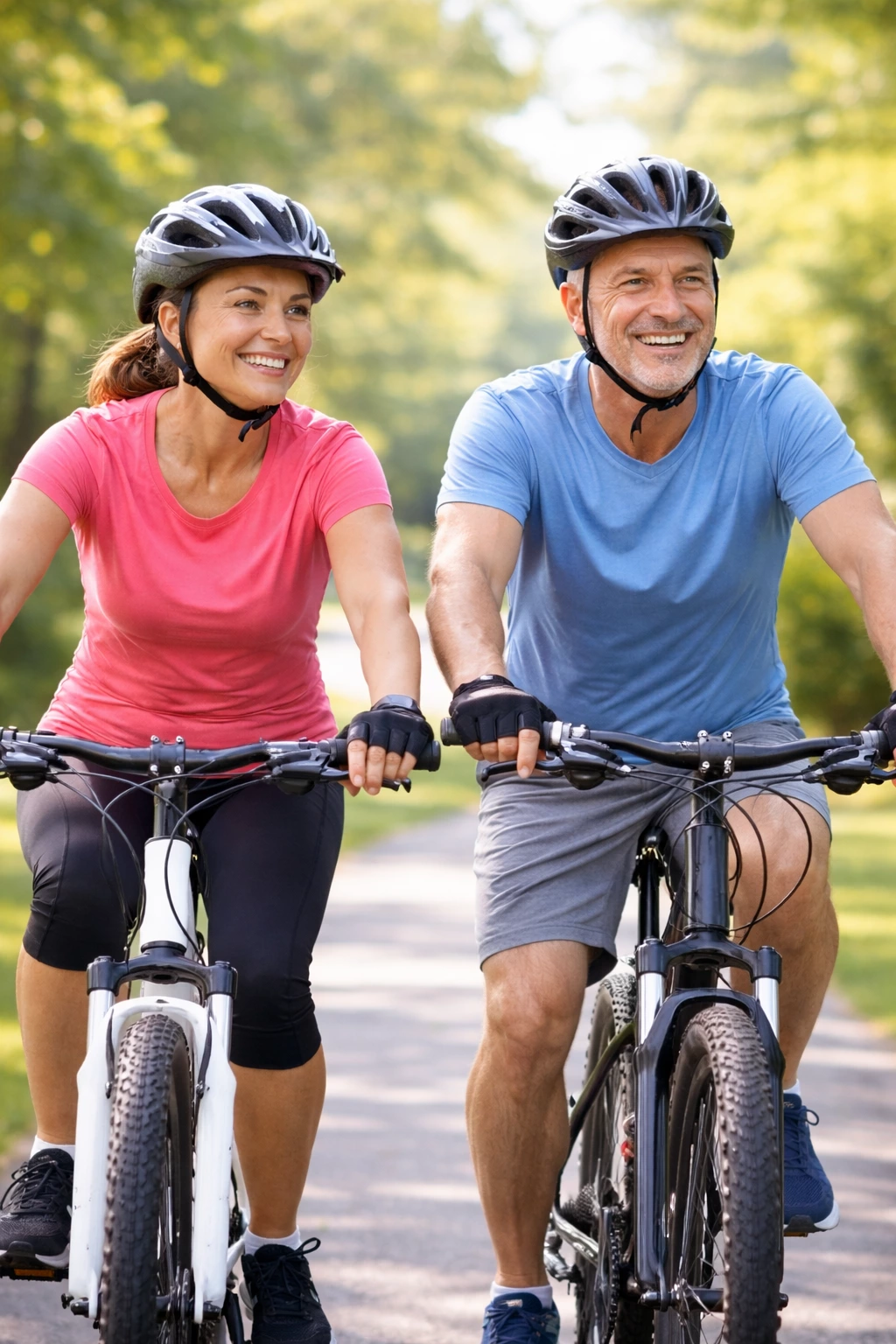
- Cycling
- Swimming
- Jogging
Aerobic activity improves heart efficiency and vascular flexibility.
2. Strength Training
Moderate resistance training 2–3 times per week can support overall cardiovascular health when combined with aerobic exercise.
3. Flexibility and Mind-Body Exercise
Activities such as yoga and stretching may help reduce stress — an important factor in blood pressure control.
How Much Exercise Is Recommended?
General guidelines suggest:
At least 150 minutes of moderate-intensity aerobic exercise per week,Or 30 minutes per day, 5 days a week.The World Health Organization recommends regular physical activity as part of hypertension prevention and management strategies.
If you are new to exercise, start gradually and consult a healthcare professional, especially if your blood pressure is already high.
How Long Does It Take to See Results?
Some people notice improvements within a few weeks of consistent exercise. However, the benefits last only as long as the activity continues.
Stopping exercise may cause blood pressure to rise again. Consistency matters more than intensity.
Important Safety Tips
If you have high blood pressure:
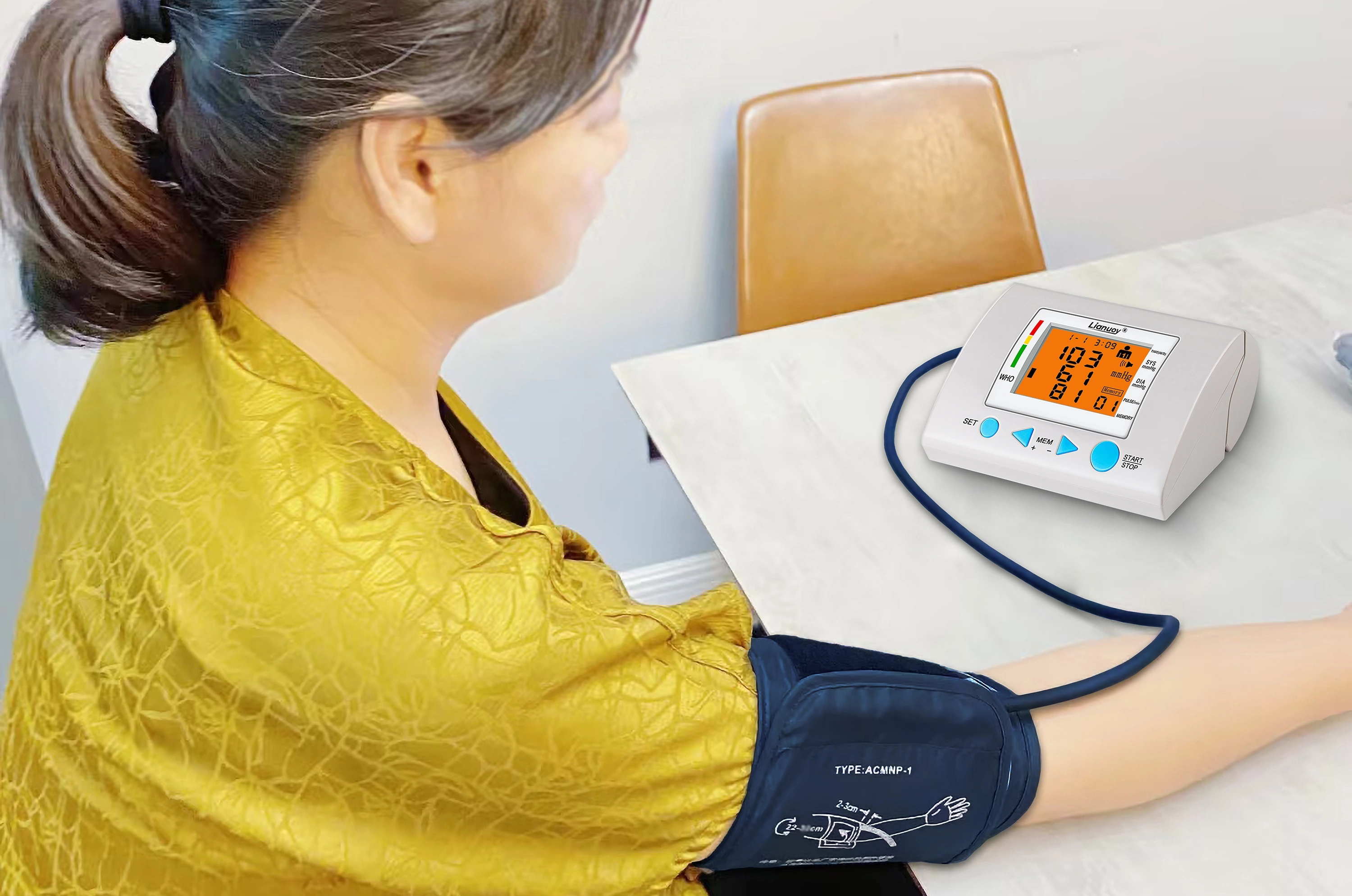
Warm up and cool down properly,Avoid sudden intense exertion,Stay hydrated.Stop if you feel chest pain, dizziness, or unusual shortness of breath,Exercise should feel challenging but not overwhelming.
Exercise is a powerful, natural tool for lowering blood pressure and improving overall heart health. Combined with a balanced diet, stress management, and regular monitoring, physical activity can significantly reduce long-term cardiovascular risk.
Before starting any new exercise program, especially if you have hypertension, speak with your healthcare provider to ensure it is safe for you.