From Factory to Home: How Blood Pressure Monitors Are Designed for Daily Use
Behind every reliable blood pressure monitor is a long process of design, testing, and optimization. From factory production lines to daily use at home, each detail is shaped by real user needs, medical standards, and manufacturing experience.
Understanding how blood pressure monitors are designed helps users appreciate what makes a device truly suitable for everyday health monitoring.
Designing for Accuracy Comes First
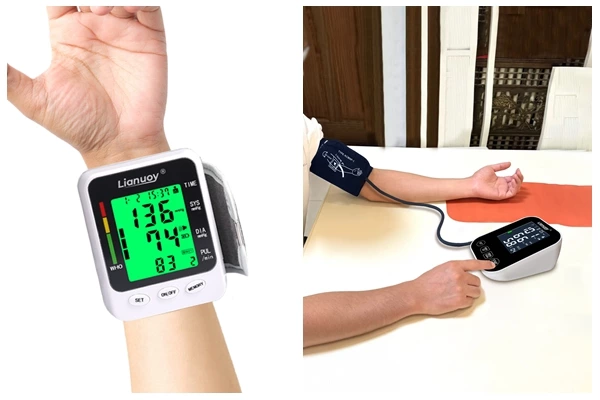
Accuracy is the foundation of any blood pressure monitor. During the design stage, engineers focus on sensor stability, pressure detection algorithms, and signal processing to ensure consistent readings.
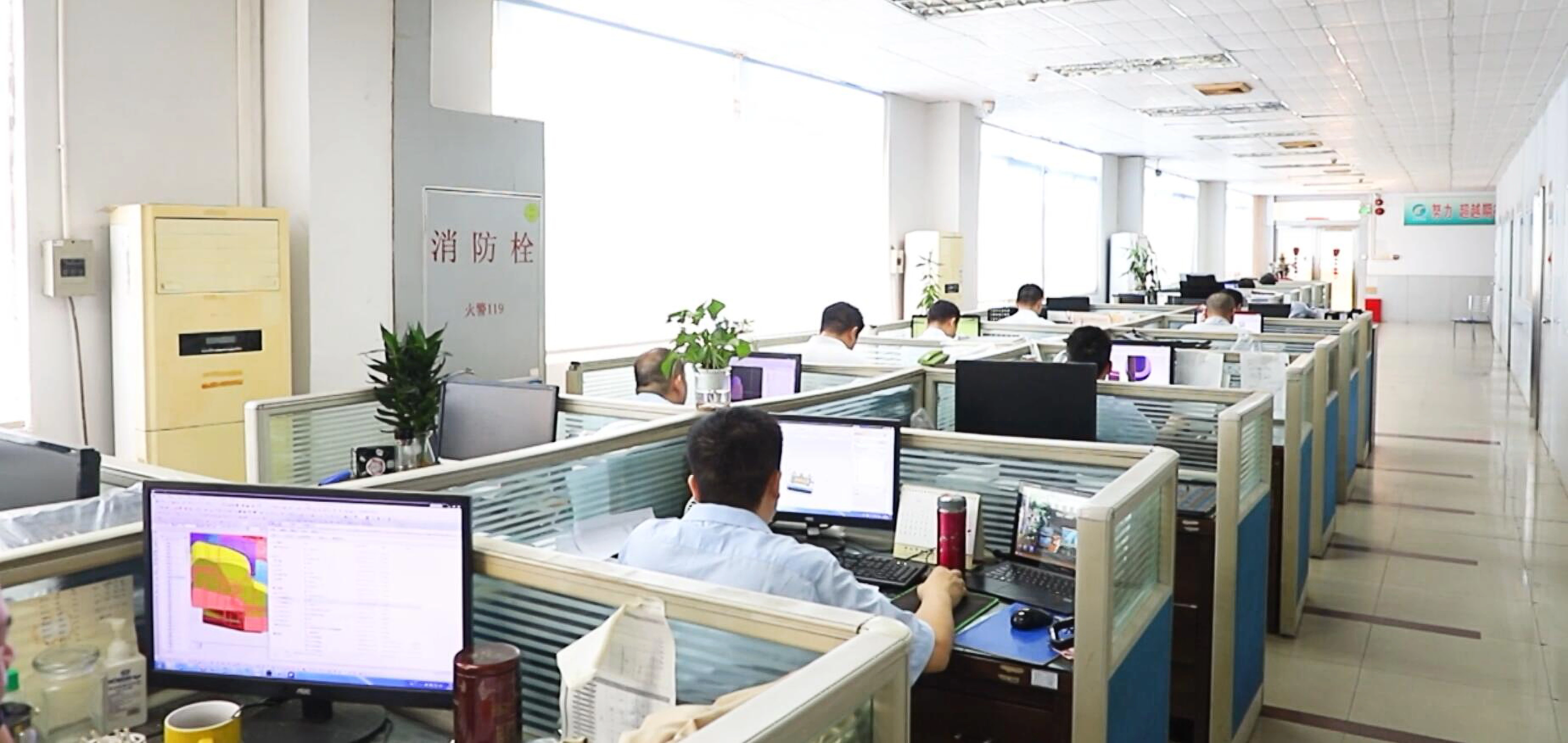
Before entering mass production, blood pressure monitors go through repeated calibration and internal testing. This process helps ensure that measurements remain stable across different users, arm sizes, and usage conditions—whether in a clinic or at home.
Comfort Matters in Daily Use
A blood pressure monitor designed for daily use must be comfortable, especially for elderly users. Cuff materials, inflation speed, and pressure control are carefully adjusted to reduce discomfort during measurement.
Intelligent inflation systems help apply only the necessary pressure, improving user experience while maintaining reliable readings. This balance between comfort and precision is essential for regular home monitoring.
User-Friendly Design for All Age Groups
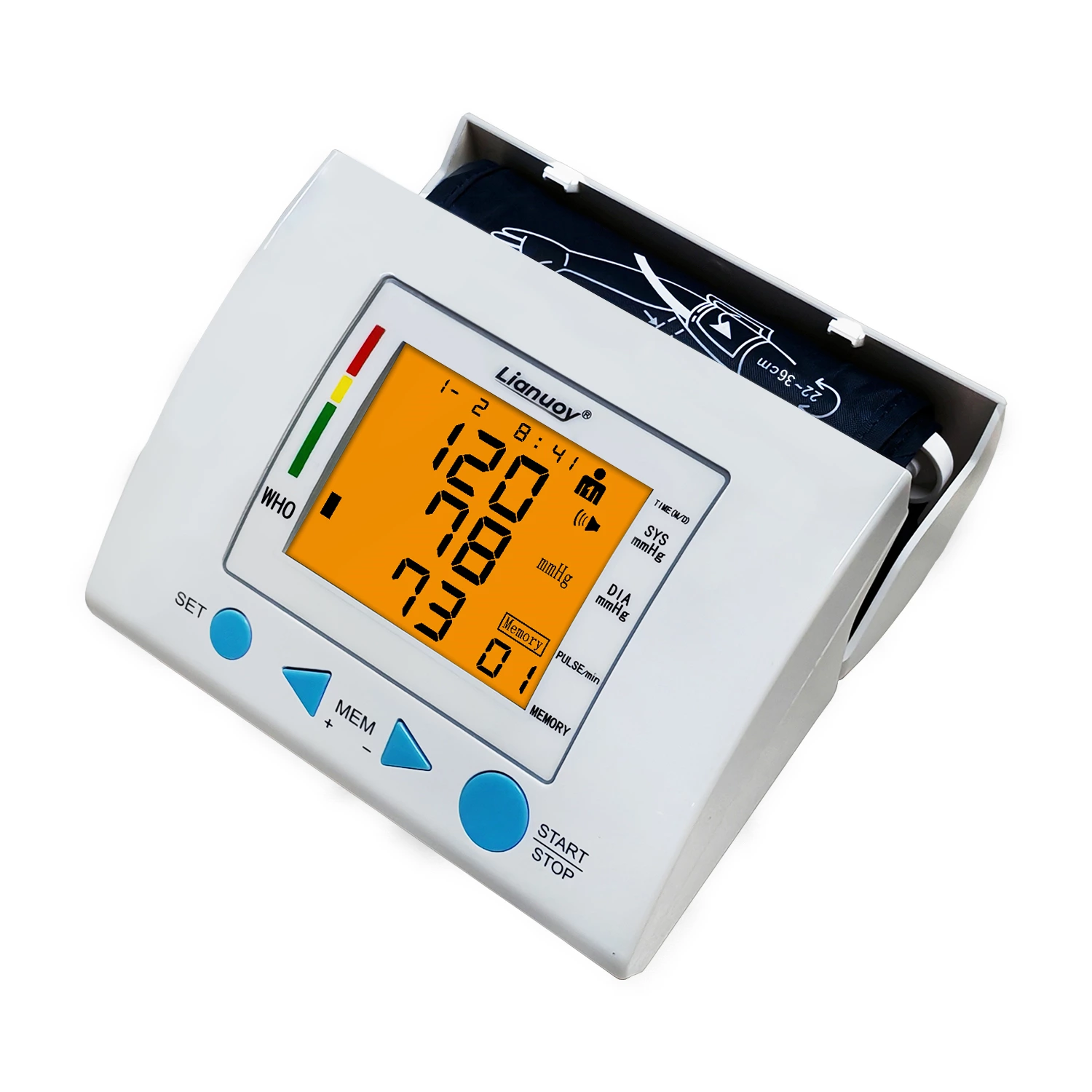
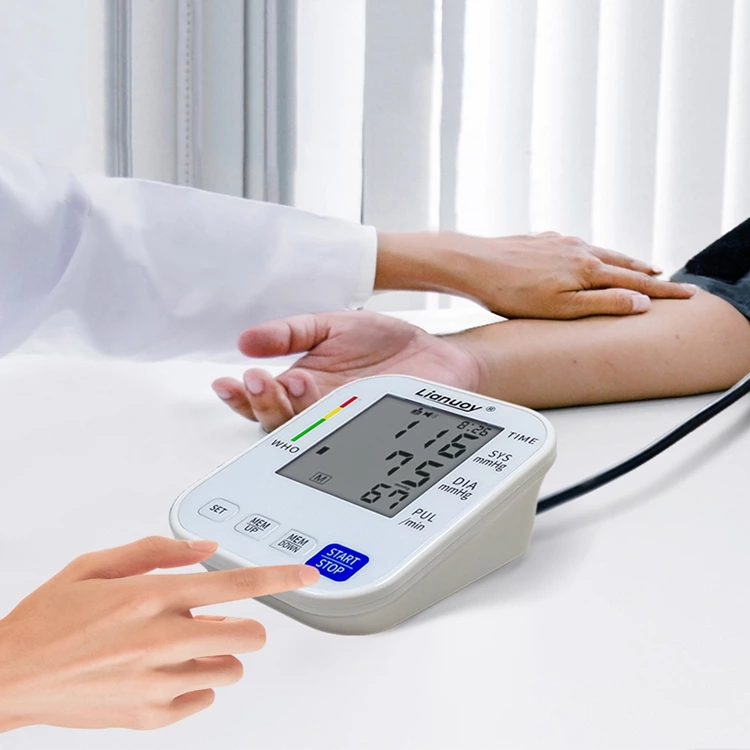
From the factory perspective, ease of use is just as important as performance. Clear displays, simple buttons, and intuitive operation reduce learning time and user errors.
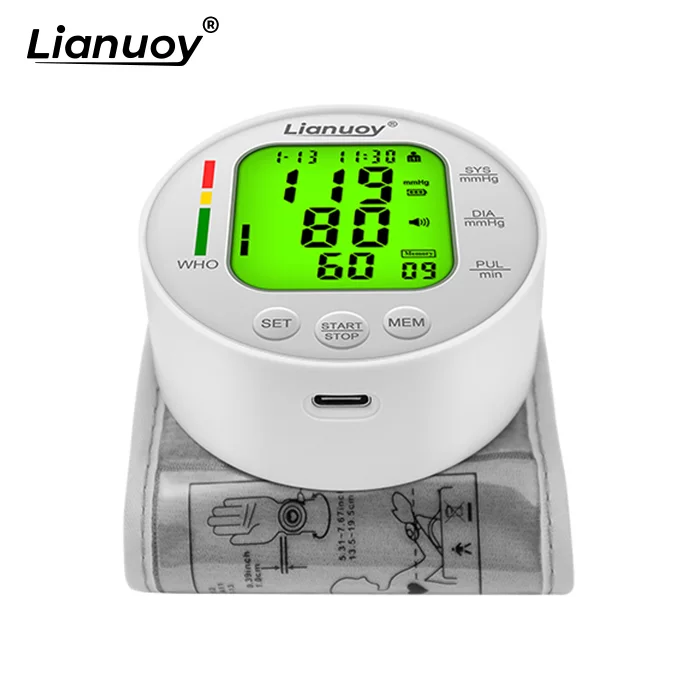
Large digital screens and visual indicators help users quickly understand results without medical training. These design choices make blood pressure monitors accessible for families, caregivers, and healthcare professionals alike.
Built to Meet Medical and Market Standards
Before reaching homes, blood pressure monitors must comply with international medical and quality standards. Manufacturing processes follow strict quality control systems to ensure product consistency and long-term reliability.
Each production batch is inspected to maintain stable performance, especially for devices intended for both home and professional healthcare environments.

Designed for Long-Term Daily Monitoring
Daily health monitoring requires durability. From internal components to outer housing, blood pressure monitors are designed to withstand repeated use over time.
Memory functions, multi-user support, and stable power systems are integrated to support long-term tracking, allowing users to focus on health trends rather than single measurements.
From Manufacturing Experience to Everyday Health
Factory experience plays a key role in improving real-world usability. Feedback from hospitals, distributors, and home users is often used to refine product design, optimize functions, and enhance reliability.
This continuous improvement process ensures that blood pressure monitors are not only technically accurate, but also practical for daily life.