How to Choose a Reliable Digital Thermometer for Home Use
When it comes to daily health monitoring, a thermometer is one of those small devices that people often overlook—until they actually need it.
Whether for families with children, elderly care, or general home use, having a reliable thermometer on hand makes a real difference. But with so many options available, how do you choose the right one?
Why a Digital Thermometer Still Matters
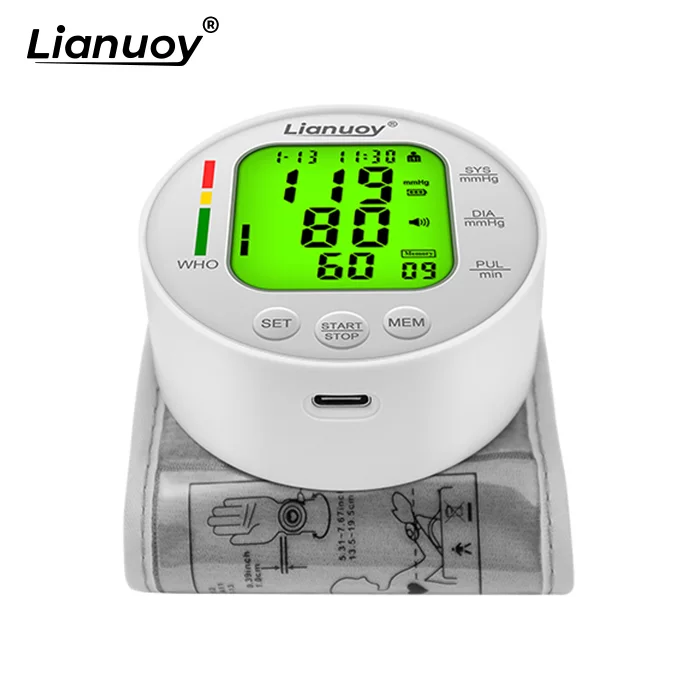
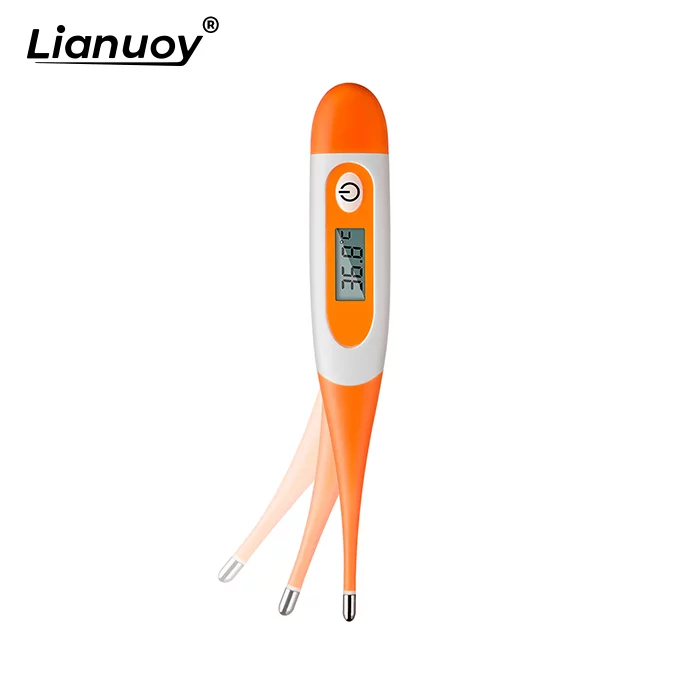
In recent years, digital thermometers have become the standard choice for home use. Compared to traditional mercury thermometers, they are safer, faster, and easier to read.
More importantly, they are designed for everyday convenience. Most users are not looking for complex features—they simply want a device that works accurately and consistently.

What Users Actually Care About
From real customer feedback and market trends, a few key points stand out:
1. Fast and Stable Readings
When someone is checking a temperature—especially for a child—waiting too long can be frustrating. A good thermometer should provide results quickly, but also maintain consistency across repeated measurements.
2. Easy-to-Read Display
A clear display is essential, particularly for nighttime use or for elderly users. Backlit screens or larger digits can significantly improve usability.
3. Simple Operation
Most people prefer a one-button design. No complicated setup, no confusion—just turn it on and get a reading.
4. Reliable Build Quality
Durability is often underestimated. A well-made thermometer should perform reliably over time, even with frequent use.

Common Use Scenarios
igital thermometers are widely used in different settings:
- Home care: daily health checks for family members
- Clinics and pharmacies: quick and efficient screening
- Travel: compact size makes it easy to carry
In all these scenarios, reliability and ease of use remain the top priorities.
Keep It Simple, Keep It Reliable
It’s easy to assume that more features mean a better product. But in reality, for thermometers, simplicity often leads to a better user experience.
A well-designed thermometer focuses on the essentials:
- accurate measurement
- quick response
- clear display
- straightforward operation
And for most users, that’s exactly what they need.
Choosing the right thermometer doesn’t have to be complicated. Instead of focusing on extra features, it’s better to look at how well the basics are executed.
At the end of the day, a reliable thermometer is not about doing more—it’s about doing the right things well, every time.