What Do Blood Pressure Numbers Really Mean?
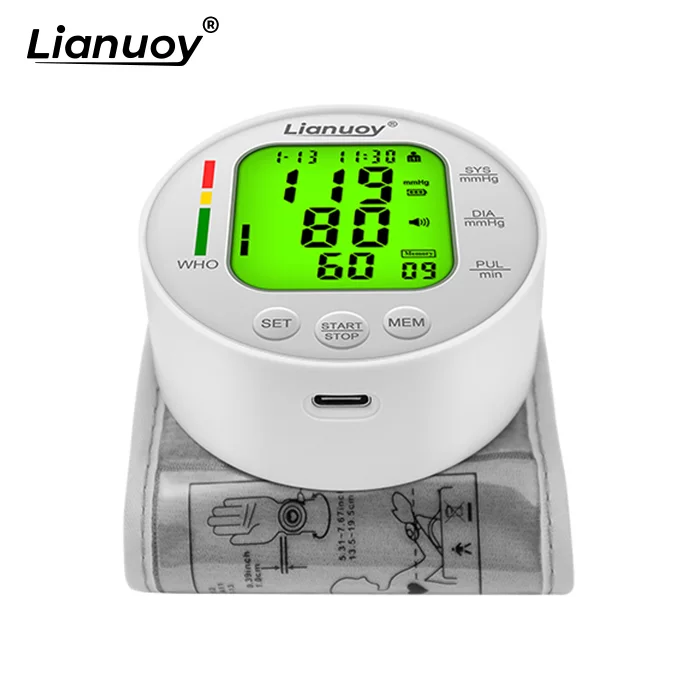
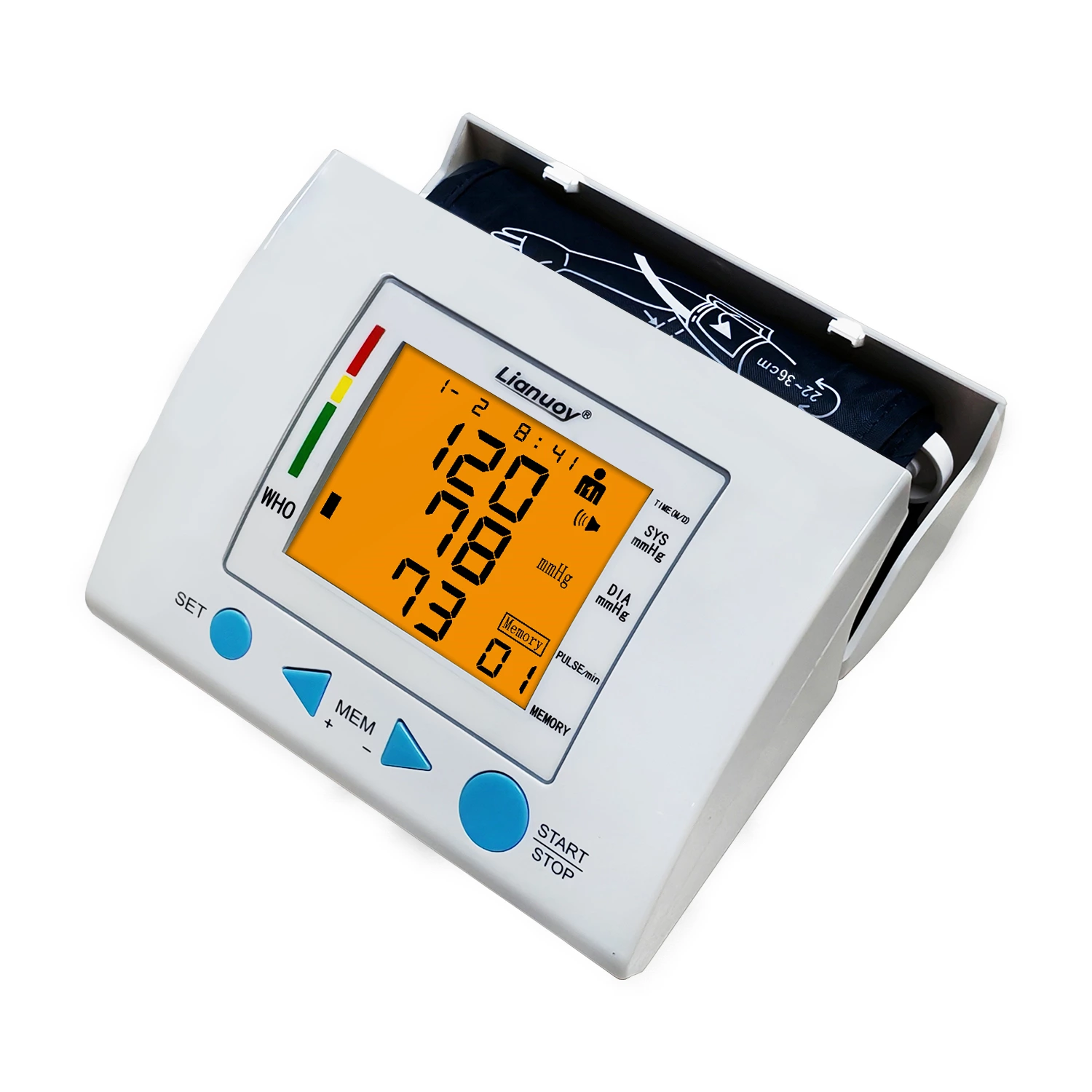
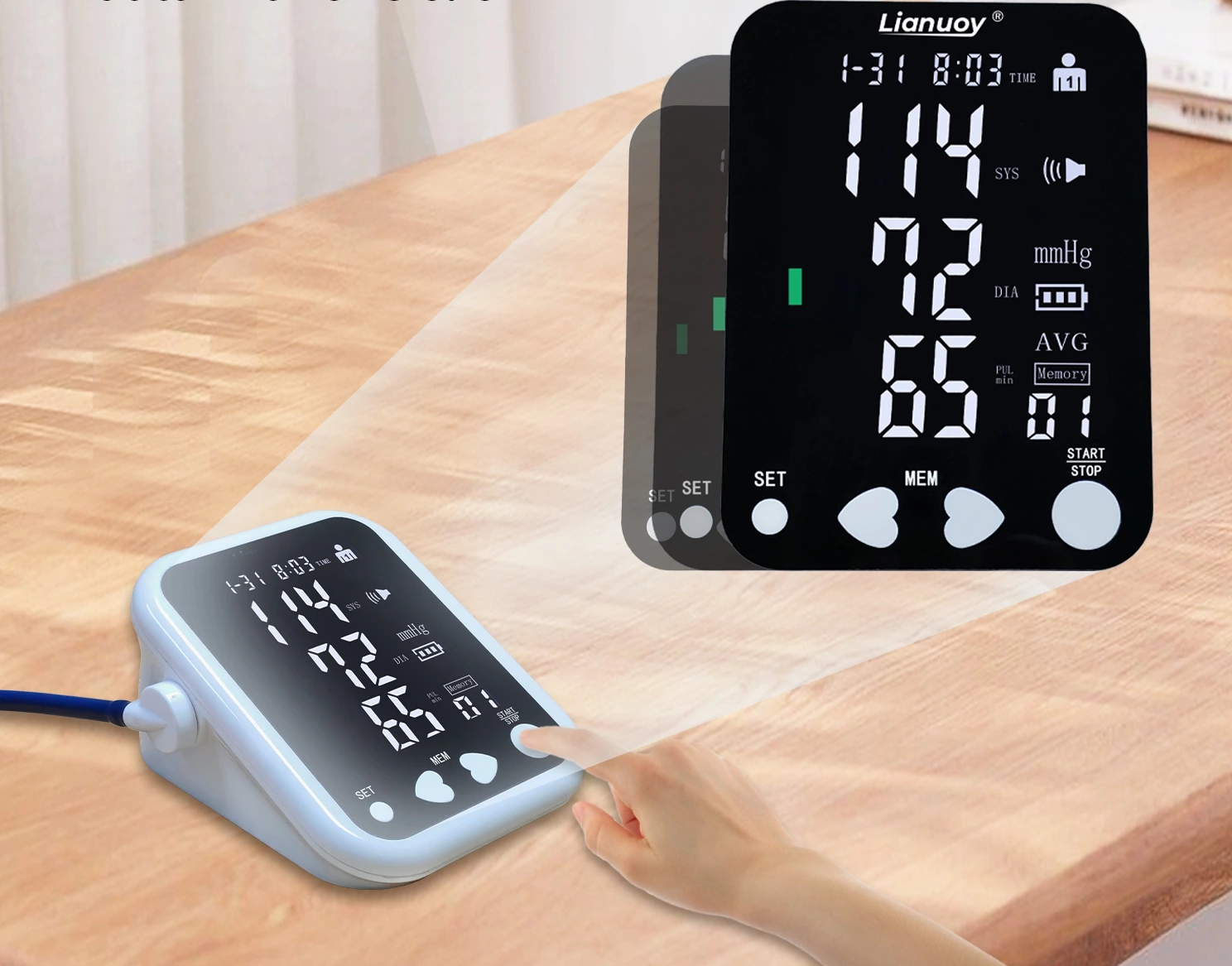
When you look at a blood pressure monitor, you see two numbers. But what do they actually represent?
The Top Number: Systolic Pressure
This measures the pressure in your arteries when your heart beats and pumps blood.It reflects how hard your heart is working.
The Bottom Number: Diastolic Pressure
This measures the pressure when your heart rests between beats.It shows how relaxed your blood vessels are.
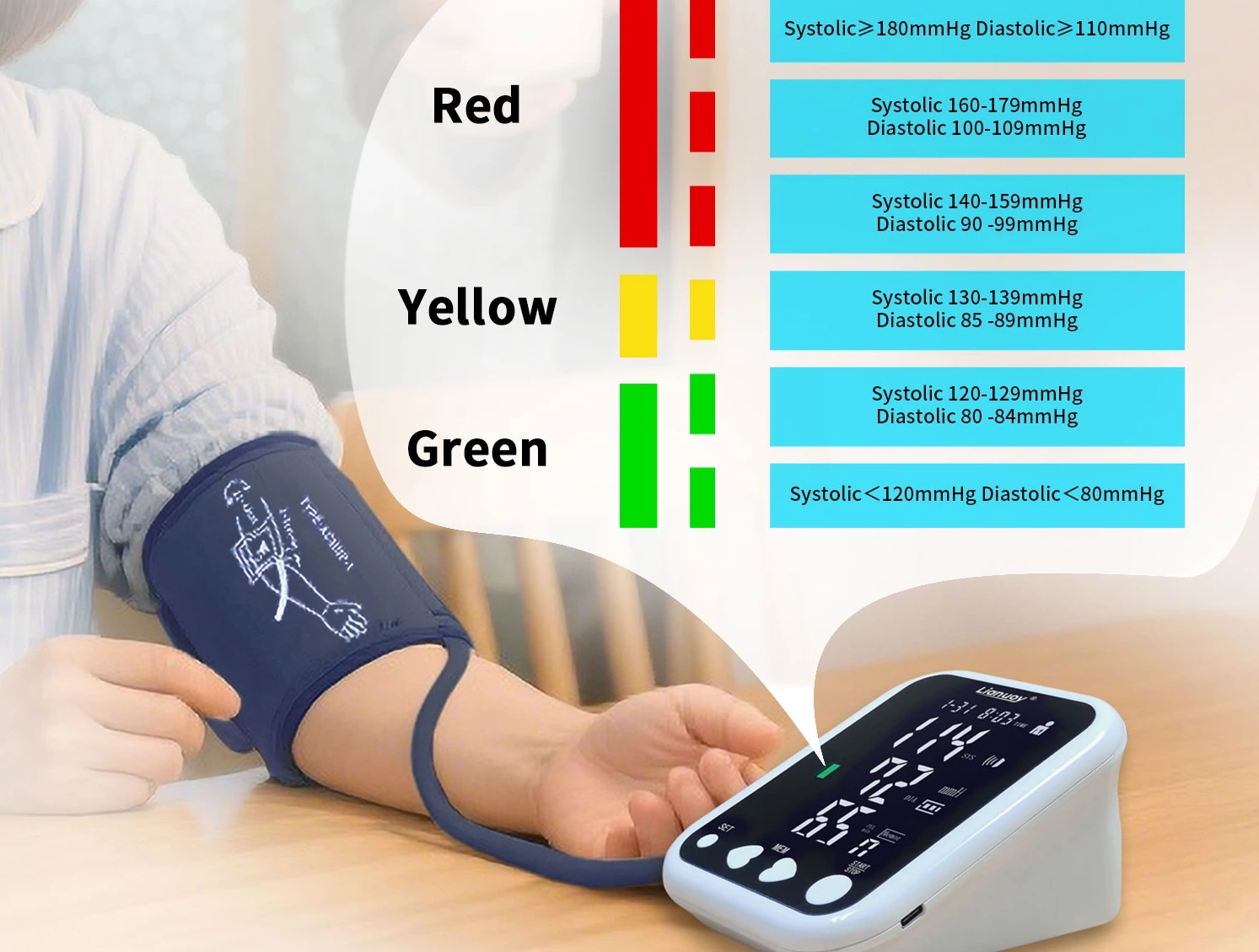
According to the American Heart Association, a normal adult reading is generally around 120/80 mmHg.
Why Both Numbers Matter?
Many people only focus on the top number, but both are important:High systolic pressure increases risk of heart disease and stroke.
High diastolic pressure may indicate increased resistance in blood vessels.Consistently elevated readings may suggest hypertension.
One High Reading Doesn’t Mean You Have Hypertension,Blood pressure can rise temporarily due to:
- Stress
- Lack of sleep
- Caffeine
- Physical activity
Diagnosis requires multiple readings over time, not just one result.
What You Should Pay Attention To:
- Repeated readings above 130/80 mmHg
- Large differences between measurements
- Symptoms like chest discomfort or severe headache
If abnormal readings continue, consult a healthcare professional.
Final Reminder
A blood pressure monitor is not just a device — it’s a tool for awareness.
Understanding your numbers helps you make smarter lifestyle decisions and protect your long-term heart health.