Comprehensive Guide to Electric Blood Pressure Monitors: Keep Track of Your Health
What is an Electric Blood Pressure Monitor?
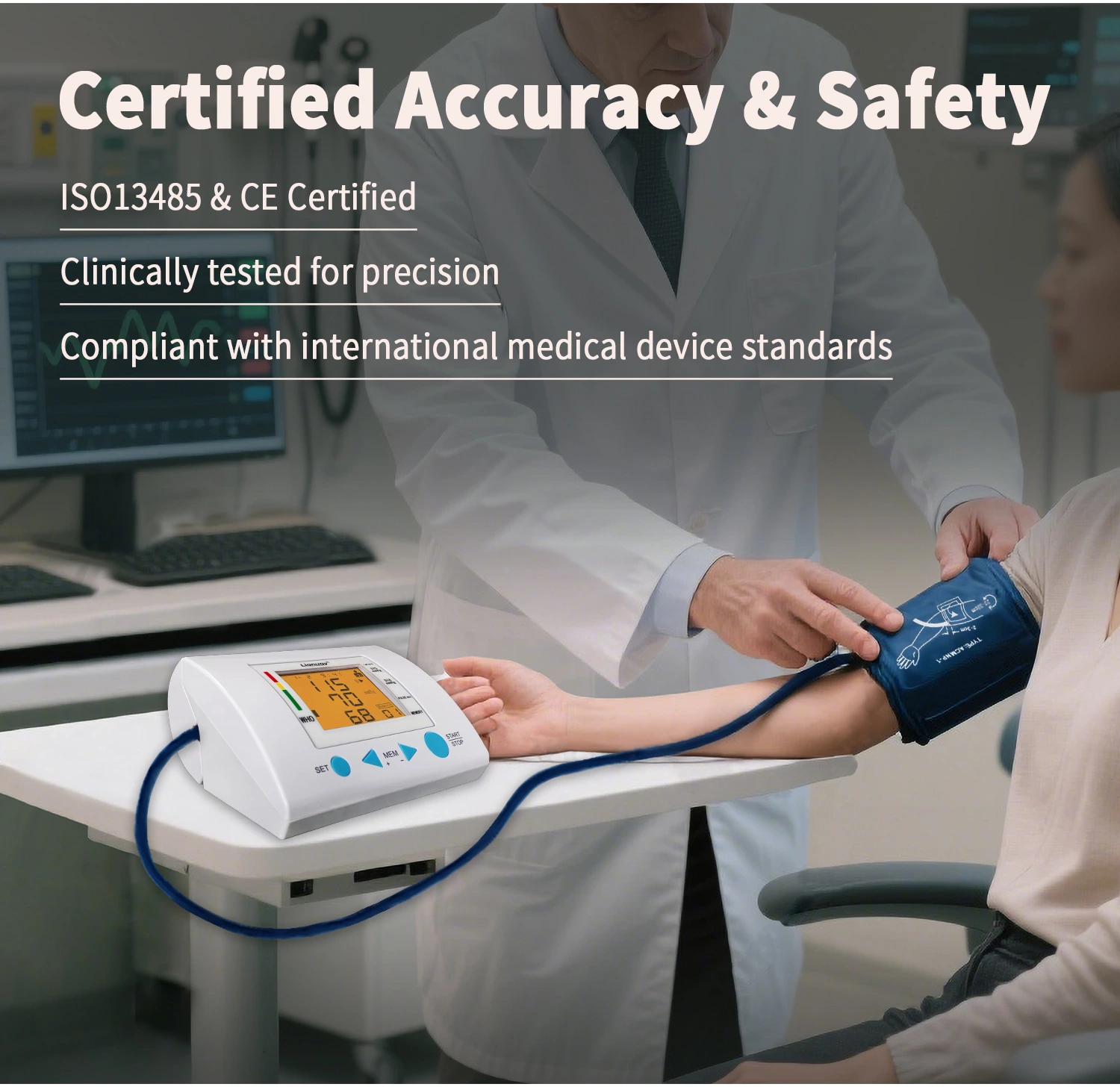
An electric blood pressure monitor is an essential device designed to measure your blood pressure automatically. Also known as an automatic blood pressure monitor, this tool is commonly used for at-home monitoring. It’s easy to use and provides quick, accurate readings of your systolic and diastolic blood pressure. With increasing concerns about heart health, having an electric blood pressure monitor at home can help you keep track of your blood pressure without the need to visit a healthcare provider regularly.
Types of Blood Pressure Monitors
There are different types of blood pressure monitors available, each suited to different preferences and needs:
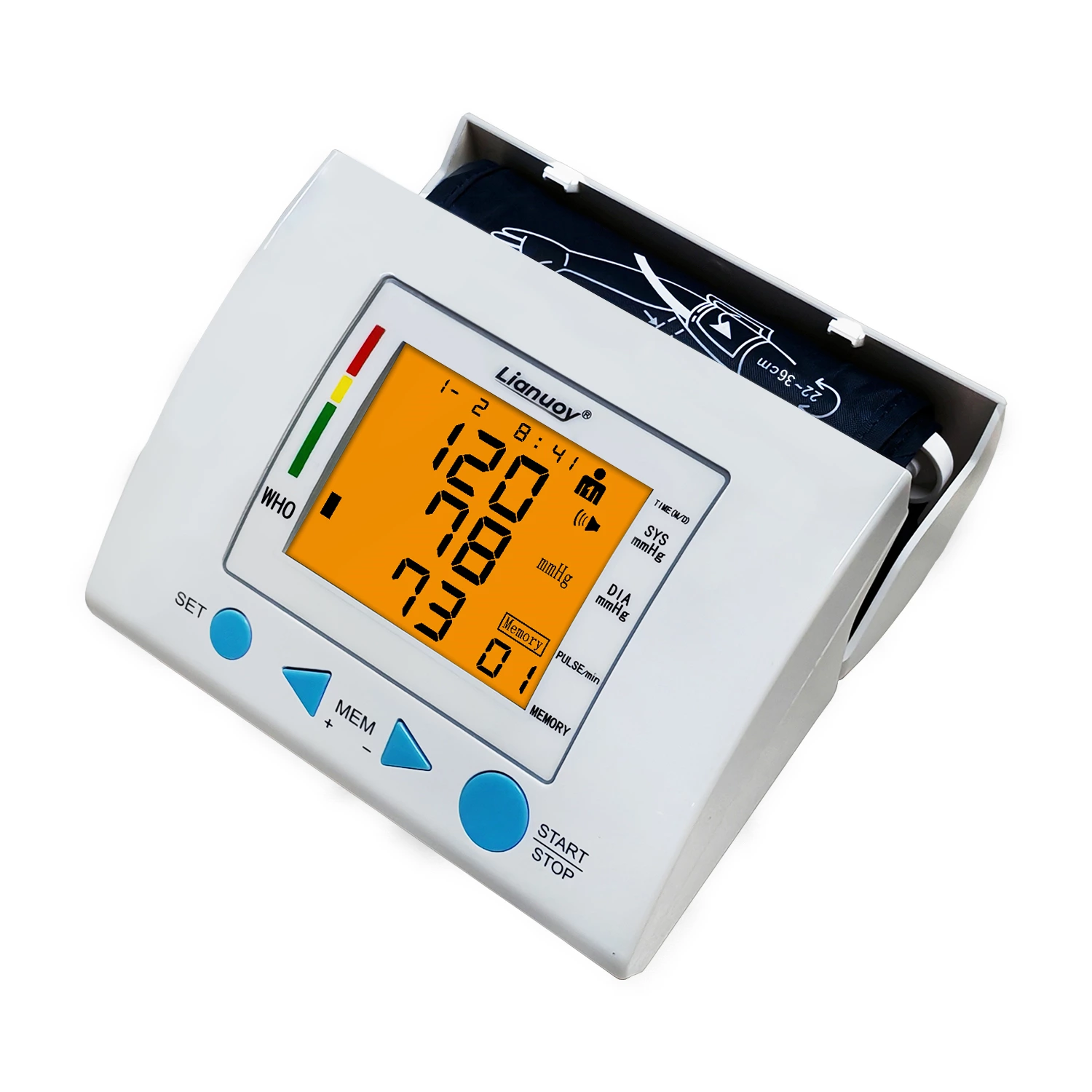
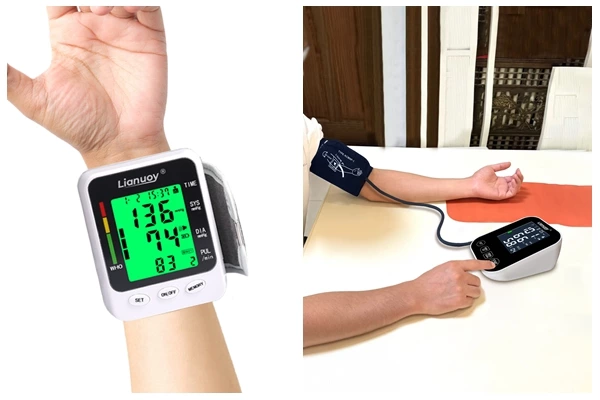
Arm Blood Pressure Monitors: These are the most common and generally considered the most accurate. They measure blood pressure by wrapping a cuff around the upper arm, inflating it, and then gradually deflating it to measure the pressure.
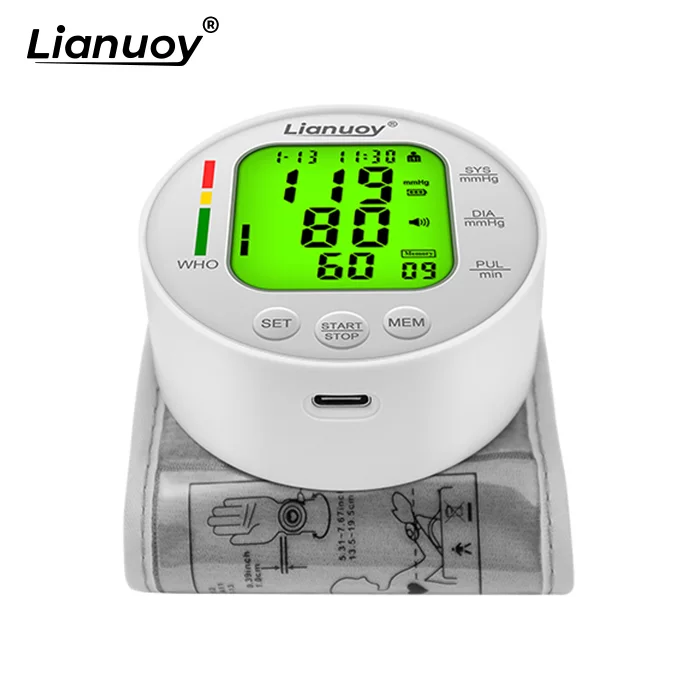
Wrist Blood Pressure Monitors: Compact and easy to use, these monitors are suitable for people who prefer a more portable solution. However, they may not be as accurate as arm monitors and can be more sensitive to body position.These are automatic and easy to operate with just the press of a button. Though convenient, it's important to ensure that you hold your wrist at heart level for accurate readings.
How Does an Electric Blood Pressure Monitor Work?
An electric blood pressure monitor uses an inflatable cuff to measure the pressure of your blood. When you turn the device on, it inflates the cuff around your arm (or wrist) to temporarily stop blood flow. The monitor then slowly releases the pressure while listening for the sounds of blood flowing back through the artery. These sounds are used to calculate both systolic (the top number) and diastolic (the bottom number) pressure readings. The device displays these readings digitally on a screen for easy interpretation.
Why is Monitoring Blood Pressure Important?
Regular blood pressure monitoring is crucial for several reasons:
Detect Early Symptoms of Hypertension: High blood pressure (hypertension) is often called the "silent killer" because it doesn’t always present symptoms. Left untreated, it can lead to heart disease, stroke, and kidney failure.
Monitor Medication Effectiveness: If you're on medication for blood pressure, an automatic blood pressure monitor can help you track the effectiveness of your treatment.
Identify Hypotension (Low Blood Pressure): Low blood pressure (hypotension) can cause dizziness, fainting, and even shock in extreme cases. Monitoring can help detect it early.
How to Use Your Arm Blood Pressure Monitor
Here are a few tips for getting accurate readings with an arm blood pressure monitor:
Prepare the Cuff: Make sure the cuff is the correct size for your arm. A cuff that’s too tight or too loose will give inaccurate results.
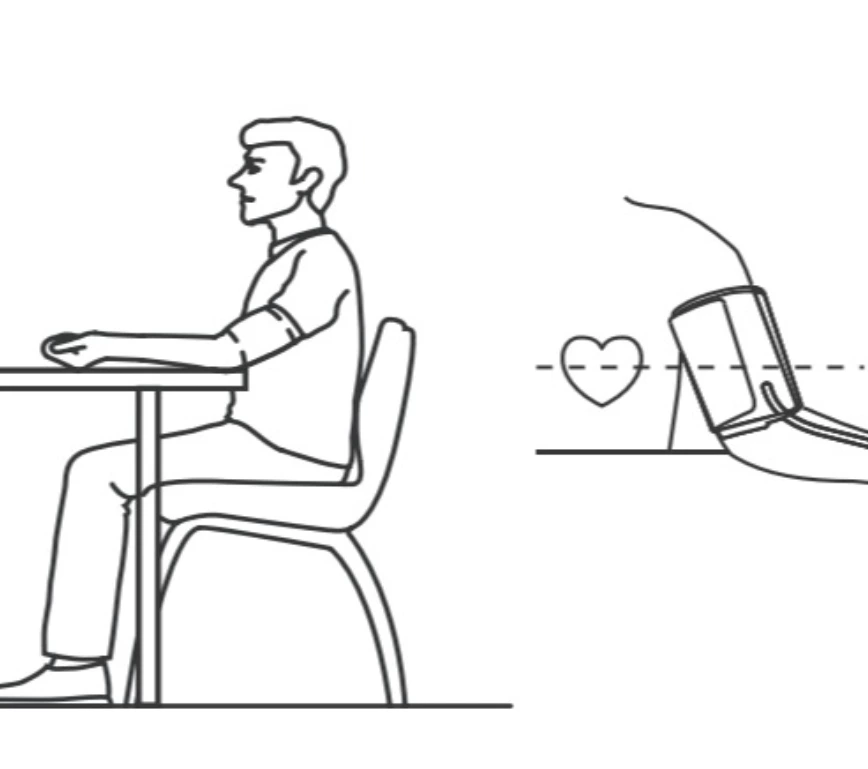
Position Yourself Correctly: Sit comfortably with your back supported and your feet flat on the floor. Keep your arm relaxed, supported at heart level on a flat surface.
Take Multiple Measurements: For accuracy, it’s a good idea to take two or three readings, with a short break in between, and average them.
Avoid Distractions: Relax during the reading. Don’t talk or move while the monitor is working.
Record Your Readings: Track your blood pressure readings regularly and share them with your healthcare provider.
Electric Blood Pressure Monitors vs. Manual Monitors
While manual blood pressure monitors (like the mercury sphygmomanometer) require a stethoscope and skill to operate, electric blood pressure monitors are much easier to use, making them ideal for home use. Most automatic monitors give results with just the push of a button, making them a convenient option for non-professional users. However, it's important to note that arm monitors are usually more accurate than wrist models.
Factors That Affect Blood Pressure Readings
Several factors can affect your blood pressure measurements:
Body Position: To ensure accuracy, your arm must be at heart level. If it is too high or too low, the reading may be off.
Time of Day: Blood pressure fluctuates throughout the day, often being lower in the morning and higher in the evening.
Food and Drink: Caffeine, alcohol, and high-sodium meals can temporarily raise blood pressure.
Stress: Anxiety or physical activity can lead to temporary spikes in blood pressure.

Benefits of Owning an Electric Blood Pressure Monitor
Convenience: With an automatic blood pressure monitor at home, you can check your blood pressure at any time, without needing to visit a clinic.
Regular Monitoring: Regular use can help you spot trends or abnormalities, allowing you to manage your health more effectively.
Easy to Use: Electric monitors are typically user-friendly, with clear digital displays that show your readings instantly.
Comfort: Many electric blood pressure monitors are designed to be comfortable, with cuffs that fit well and are easy to apply.
When to Seek Medical Advice
Even if you are using a home blood pressure monitor regularly, it’s important to consult a doctor if:
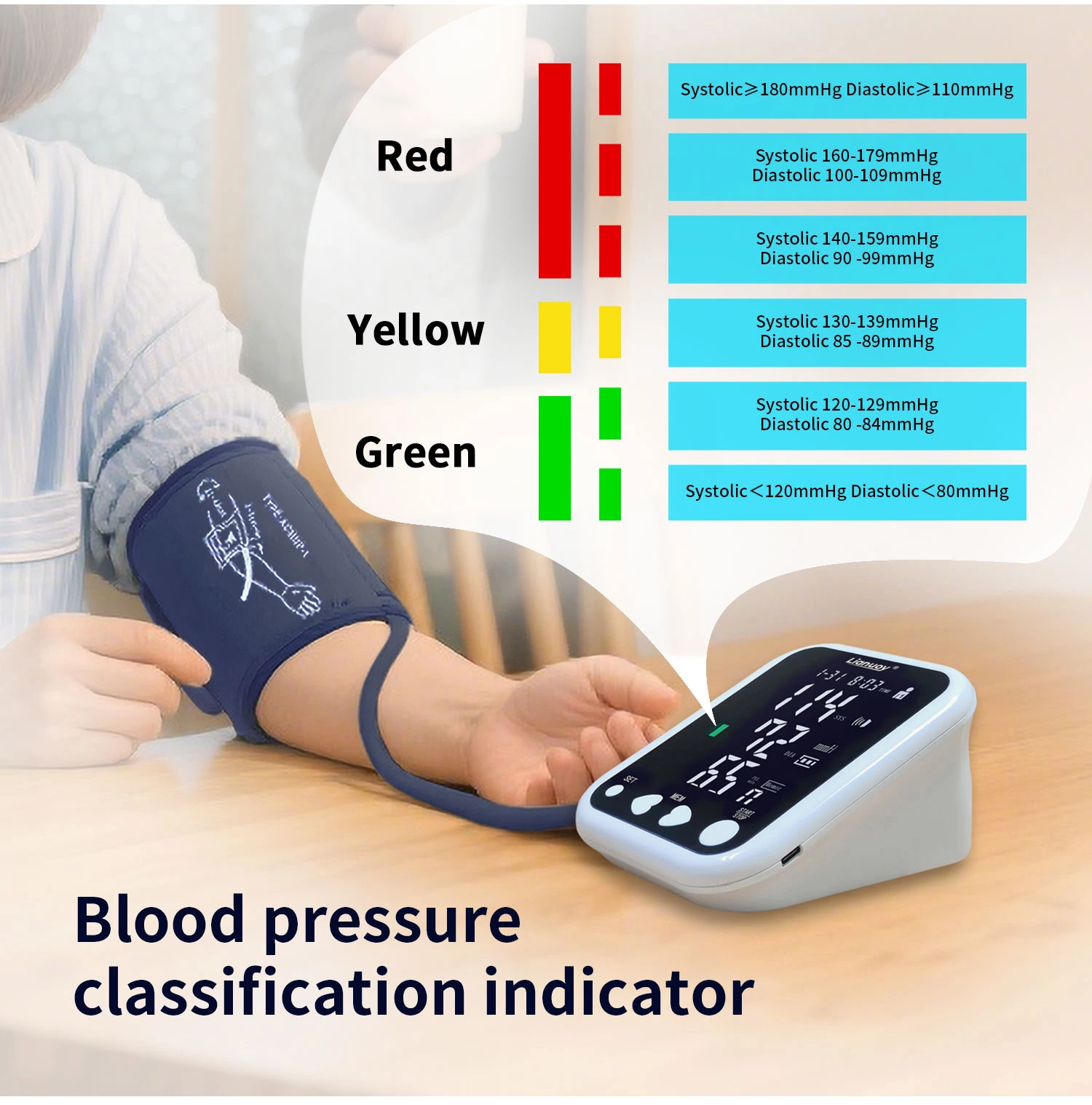
- Your readings are consistently high (above 140/90 mmHg).
- You notice drastic changes in your blood pressure.
- You experience symptoms like dizziness, shortness of breath, or headaches.
Conclusion
An electric blood pressure monitor is an excellent tool for monitoring your health at home. Whether you use an arm blood pressure monitor or a wrist blood pressure monitor, keeping track of your blood pressure is key to identifying potential health issues early. Regular monitoring, combined with a healthy lifestyle, can help you manage and maintain optimal heart health. Invest in a reliable, easy-to-use monitor and take control of your health today!