Why Consistent Blood Pressure Monitoring Matters
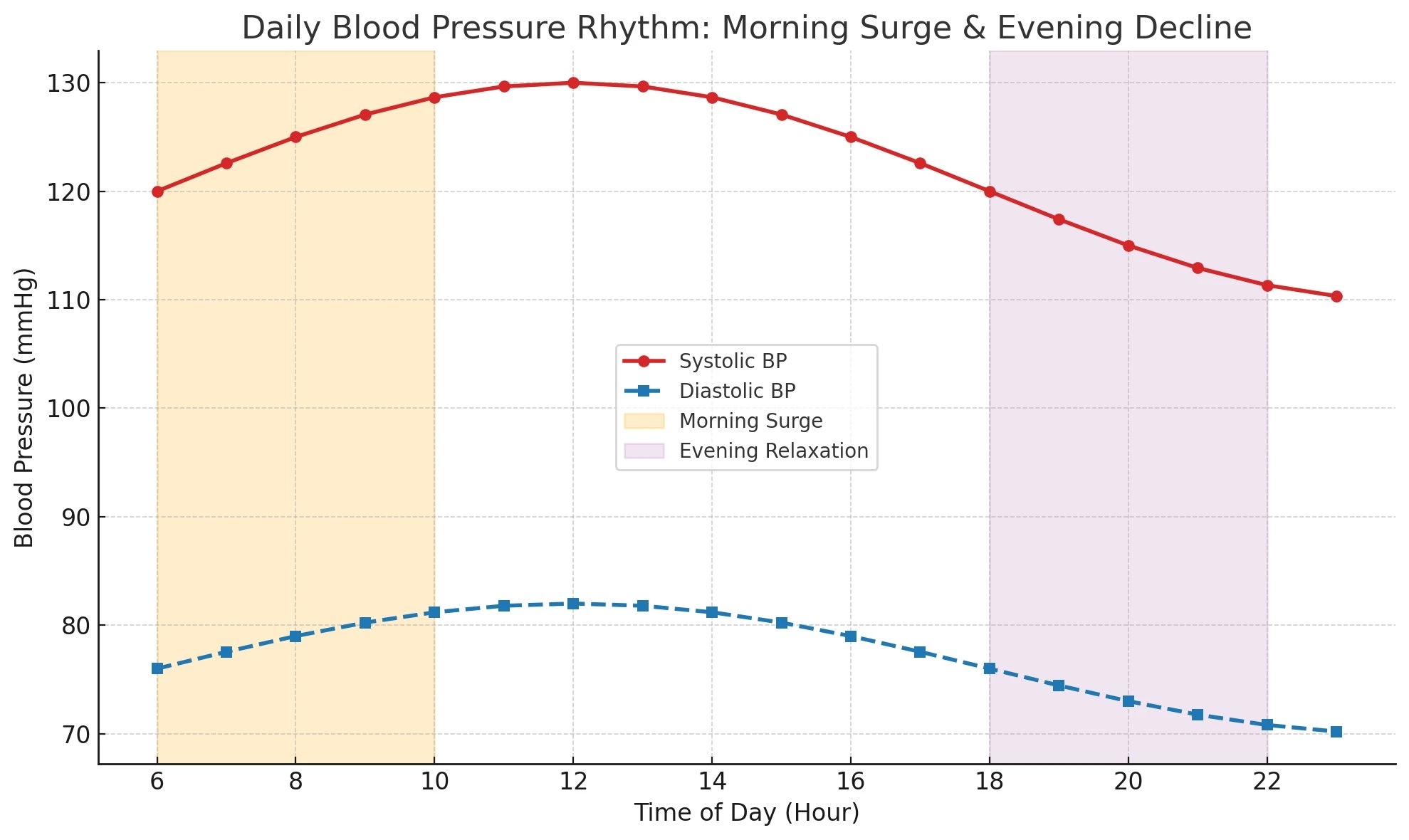
Blood pressure is not a fixed number. It changes throughout the day, influenced by activity, stress, rest, and overall health conditions. Because of this, a single measurement rarely tells the full story. What truly matters is consistency—measuring under similar conditions and tracking changes over time.
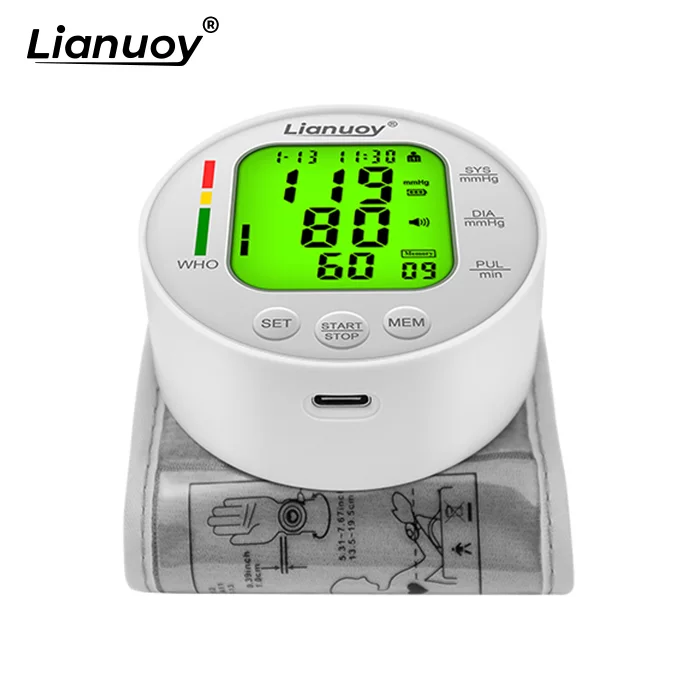
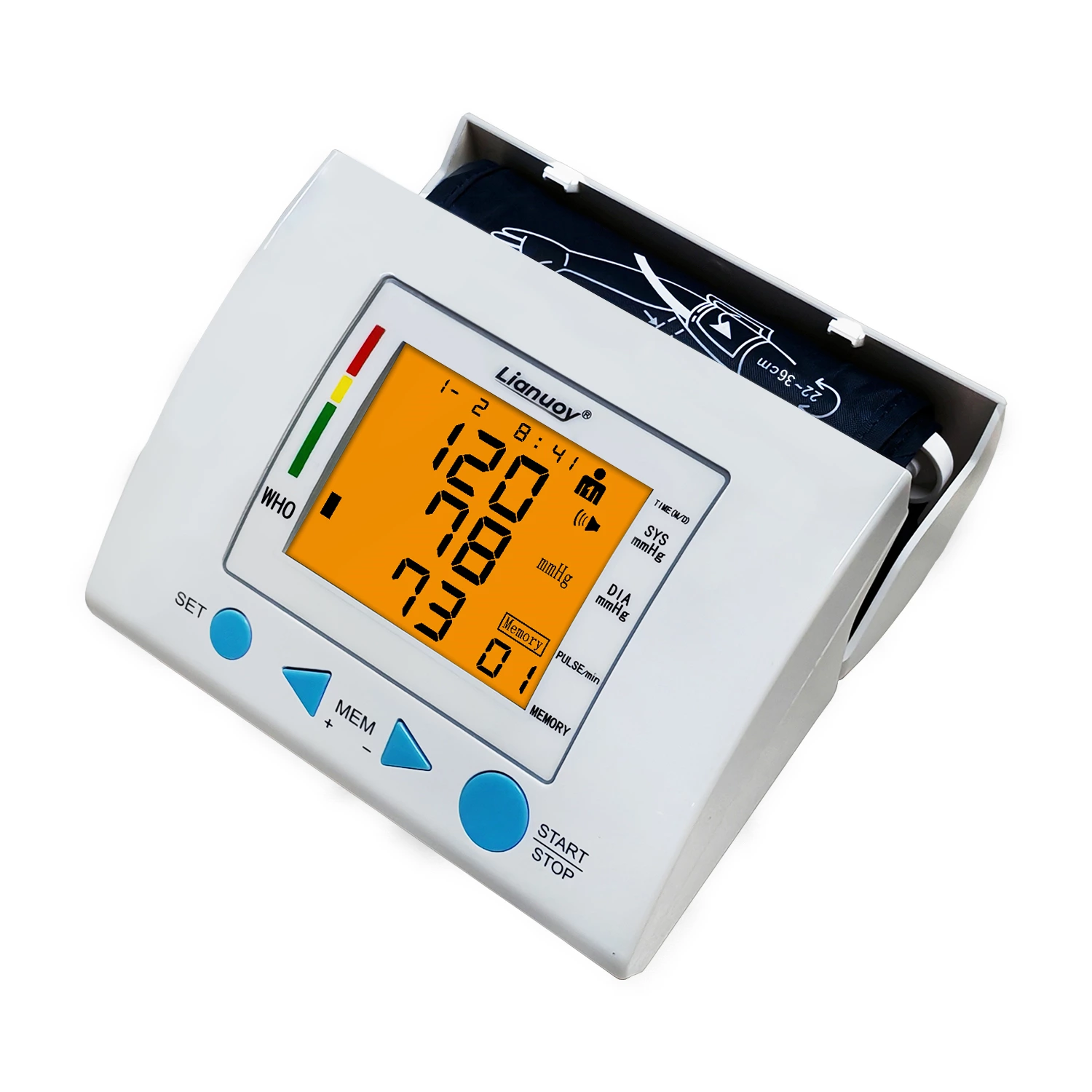
Digital blood pressure monitors have made regular monitoring more accessible. By automating cuff inflation and pressure detection, these devices reduce common reading errors seen with manual methods. Clear displays and simple operation also help users record data more accurately, especially in daily home use.
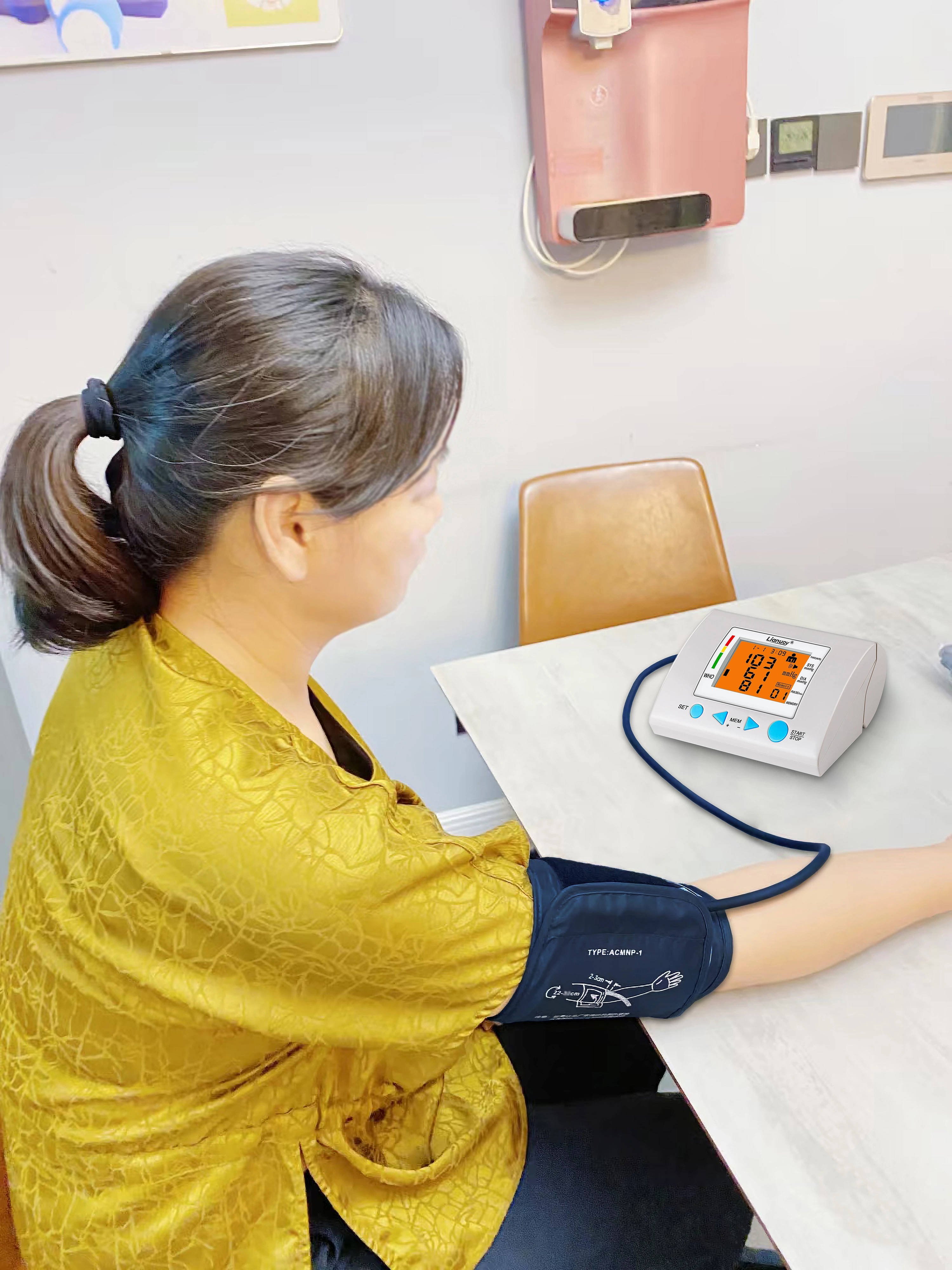
However, reliable results depend on more than the device itself. Proper cuff size, correct arm position, and allowing the body to rest before measurement all affect accuracy. Upper arm blood pressure monitors are generally considered more stable than wrist models, which is why they remain widely used in both home and professional environments.

From a manufacturing perspective, long-term stability is just as important as initial accuracy. Component selection, sensor calibration, and repeated testing during production all influence whether a blood pressure monitor can deliver consistent results over years of use. Small variations in materials or assembly can lead to noticeable differences in readings over time.

At Lianuoy, blood pressure monitors are developed and produced with a focus on reliability and durability. With more than ten years of manufacturing experience, each production stage follows standardized quality control processes under ISO 13485. CE-compliant products are tested for performance consistency rather than short-term output alone.

Reliable health data starts with dependable measurement. When blood pressure monitoring becomes part of daily life, consistency and trust in the device make all the difference.